Cessna 172RG Rear RH Baffle Assembly
Cessna 172RG Rear RH Baffle Assembly
Blog Article
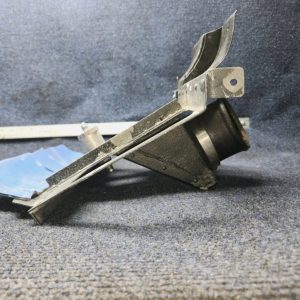
The Cessna 172RG Rear RH Baffle Assembly
Whether buyers search for a Cessna 172RG Rear Right-Hand Baffle, Cessna 172RG Engine Baffle, or Cessna 172RG Cooling Baffle, individual condition and aircraft compatibility should guide the purchase.
The Cessna Cutlass Engine Baffle and Aircraft Engine Baffle Assembly keywords help qualified buyers locate relevant replacement parts.
Clear descriptions of Cessna 172RG Engine Compartment Parts help maintenance professionals estimate the full scope of the repair.
Whether marketed as an Engine Cooling Baffle Assembly, Cessna Cutlass Cooling System Part, or Cessna 172RG Replacement Baffle, the component should receive individual inspection.
Understanding P/N 2455038-2
Complete part-number verification reduces incorrect purchasing and unnecessary installation work.
The buyer should determine whether the assembly is original, repaired, refurbished, fabricated, removed from an aircraft, or offered as an incomplete section.
How Aircraft Baffles Direct Cooling Air
It works with adjacent metal baffles, flexible seals, cowling surfaces, fasteners, brackets, and engine components to form a coordinated cooling system.
Cooling performance depends on proper pressure differences, sealed boundaries, suitable airflow paths, and accurate baffle positioning.
Choosing the Correct Cessna Engine Baffle
The Cessna 172RG Cutlass may contain production changes, previous repairs, engine modifications, or altered cooling-system components that affect fitment.
The engine model and installed accessories can influence clearances, brackets, hoses, wiring routes, and the shape of surrounding cooling components.
Aircraft Engine Baffle Construction
Formed contours help the baffle fit around the engine and connect with surrounding cooling-system components.
Unauthorized bending, hammering, heating, grinding, drilling, or trimming can damage the assembly and affect its relationship with adjacent components.
Assessing a Used Cessna Baffle
Paint, oil residue, dirt, and old seal material can conceal findings that require closer review.
Previous patches, stop-drilled cracks, replacement brackets, welds, or enlarged holes should be documented.
Managing Gaps Around the Engine Baffles
Old seals may be useful as templates even when they are unsuitable for continued service.
Seal overlap, direction, clearance, and edge contact should be checked after installation.
Managing Moisture and Chemical Exposure
The depth and area of corrosion should be evaluated using suitable maintenance procedures.
The cause of contamination should be corrected before a replacement baffle is installed.
Cessna Engine Baffle Mounting Condition
Fastener holes should be checked for elongation, cracking, burrs, corrosion, double drilling, fretting, and evidence of repeated removal.
Old hardware should not be reused automatically because it fits the existing holes.
Supporting Components Around the Rear RH Baffle
A missing bracket, damaged seal, or distorted neighboring panel can delay installation even when the primary baffle is available.
Used Cessna 172RG Engine Compartment Parts should be evaluated individually rather than accepted solely because they came from the same donor aircraft.
Engine Cooling Troubleshooting
A damaged rear RH baffle may contribute to cooling-air leakage, but it may not be the only cause of an abnormal indication.
Maintenance personnel should identify all relevant findings and correct them through appropriate procedures.
Evaluating Baffle Repair Value
A documented repair plan supports a more consistent result.
Professional workmanship can extend component value while preserving cooling-system geometry.
Replacement Baffle Purchase Considerations
Components with clear donor-aircraft information, current photographs, and transparent condition descriptions are easier for professional buyers to evaluate.
Unsupported direct-fit, cooling-performance, or airworthiness claims should be avoided.
Rear RH Cooling Baffle Condition Checklist
A detailed review reduces unsuitable purchases and unexpected repair costs.
- Confirm the complete part number, donor-aircraft model, donor serial number, rear right-hand position, engine configuration, modification status, and available traceability.
- Inspect the baffle for cracks, corrosion, pitting, dents, buckling, distortion, elongated holes, fretting, broken brackets, damaged flanges, and previous repairs.
- Require packaging that supports the baffle without bending flanges, crushing contours, damaging brackets, scratching finishes, or allowing loose hardware to strike the panel.
Protecting Cessna Engine Baffles in Transit
Loose seals and hardware should be bagged, labeled, and secured separately.
Heavy objects should never be stacked on the baffle.
Completing a Rear Baffle Replacement
Professional preparation protects both the replacement baffle and surrounding engine components.
Fastener holes should be inspected carefully, while hardware type, grip, spacing, and installation method should correspond with suitable technical data.
After installation, technicians should inspect mounting security, seal contact, clearances, cowling fit, airflow gaps, interference, and completeness.
Protecting Aircraft Cooling Components
Consistent inspection supports the condition of the complete Cessna engine cooling system.
Preventive maintenance protects both P/N 2455038-2 and surrounding Cessna 172RG Engine Compartment Parts.
P/N 2455038-2
P/N 2455038-2 can provide valuable maintenance, restoration, cooling-system repair, or spare-inventory potential Aircraft Engine Baffle Assembly when its identity, condition, geometry, and compatibility are verified.
Careful technical and commercial evaluation can reduce fitment errors, missing-component costs, cooling-system gaps, installation delays, and unexpected corrosion findings.
Whether the project involves Cessna 172RG Engine Compartment Parts, an Aircraft Cooling Air Baffle, a Cessna 172RG Airflow Baffle, or a Cessna Aircraft Engine Baffle, every component should be inspected individually.
With prompt attention to cracks, corrosion, fasteners, seals, brackets, clearances, protective finishes, and surrounding components, the installation can preserve its condition and functionality.
Report this page